
Where you open up, you begin to heal. A story about the power that comes from sincerity.
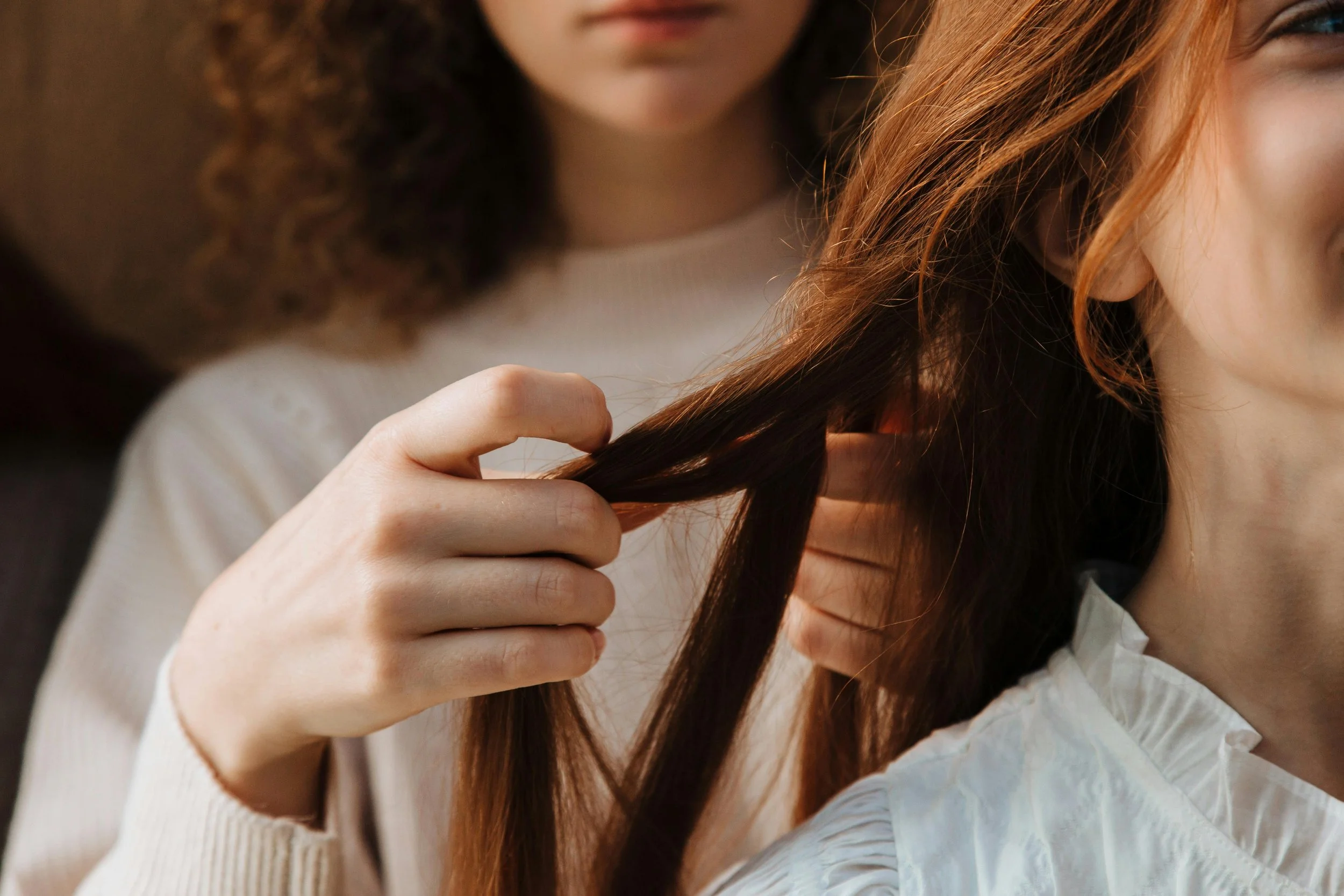
In a society that relentlessly emphasizes performance, resilience, and control, vulnerability often strikes an uncomfortable contrast. At first glance, it seems fragile and risky, as if it were something to be hidden from the watchful eyes of the world. Yet it is precisely vulnerability that represents one of the most important paths to mental balance and true connection. Revealing one’s inner self is not a weakness, but an act of courage. It is the decision to acknowledge our own emotions, needs, and dreams, even when we are unsure how others will react to them. Research confirms that people who are able to be honest with themselves and those around them build stronger relationships; they are more empathetic, more perceptive, and at the same time more stable in their own emotional lives.
However, we naturally resist vulnerability. Many of us have experienced rejection, ridicule, or disappointment, so we prefer to put on a mask of self-sufficiency, one that creates a sense of security but at the same time distances us from what we long for deep in our souls: acceptance, understanding, and closeness. The fear of rejection is strong, as is the fear that our feelings will be exploited or dismissed as insignificant. These internal barriers force us to live on the surface, to avoid our own experiences, as if it were dangerous to name them. For many, it’s easier to pretend that “everything is fine” than to admit that something inside them is breaking.
That is precisely why vulnerability is a courageous step. As researcher Brené Brown points out, courage isn’t about invincibility, but about the willingness to reveal oneself without any guarantee of the outcome. Anyone who opens up is, in a sense, taking a risk. They may be misunderstood, rejected, or disappointed. But at the same time, they create space for a connection that cannot be replaced by any mask or self-control. Vulnerability isn’t loud. It’s quiet, effortless, natural. And it is precisely in this simplicity that its strength lies.
When a person reveals their truth, they often find that those around them react with far more sensitivity and kindness than they had anticipated. A space is created in which others feel naturally invited to open up as well, because vulnerability has the power to inspire. It is not a weak spot in one’s armor, but a bridge between two worlds. Relationships deepen not when everything is smooth, but when someone dares to say, “I’m afraid, too. I feel that way, too.” And in that moment, we are no longer alone.
At the same time, vulnerability helps a person grow. Acknowledging one’s own emotions means stopping the struggle against them, accepting them as part of oneself, and allowing oneself the inner honesty that is the foundation of mental health. When someone opens up and feels accepted, a quiet but profound change takes place within them: their sense of self-worth increases. It is no longer a worth derived from performance or appearance, but a worth that flows from their very existence. And that worth is solid, stable, and deeply liberating.
Ultimately, we can say that vulnerability is the path that leads us back to our humanity. It is a return to what is real, even if it is not perfect. It teaches us to be gentler - toward ourselves and toward others. And at the same time, it helps us create an environment where emotions are welcomed, not suppressed. It may not guarantee that we’ll never get hurt, but it gives us the opportunity to live a life that is authentic and deeply connected. Ultimately, that is what constitutes a person’s strength: not their invincibility, but their willingness to open their heart. So what is your heart whispering to you today?
“Vulnerability is not a sign of weakness. It is the clearest proof of our courage.”
